

Section 179 Vehicle Deduction Summary At Jones Ford Casa Grande

Claim your tax write-off for a vehicle over 6,000 pounds with the Section 179 deduction on eligible Ford, Ram, GMC, and Jeep vehicles when you expand your fleet at Jones Ford Casa Grande! New and used models qualify, and this year's deduction amounts have increased to incredible new levels. See how your business could save thousands with a Section 179 tax break with our quick yet detailed guide below.
Understanding the Section 179 Deduction
Section 179 is a portion of the U.S. tax code that bolsters cash flow and fosters expansion for businesses. How, you might ask? A Section 179 deduction is an immediate tax break that allows companies to deduct the full purchase price of qualifying equipment now instead of spreading their purchase's depreciation costs over several years.
- Who Section 179 Benefits: The Section 179 deduction helps small and midsize companies that spend less than $6.5 million per year on commercial machinery and equipment.
- Which Vehicles Qualify: The Section 179 deduction applies to both new and used vehicles that are leased, financed, or paid for in cash as long as they are used for business purposes more than 50% of the time.
- Factors To Consider: Heavy-duty trucks and vans with GVWRs above 6,000 pounds qualify for Section 179 vehicle deduction. Vehicles under this threshold may be eligible, but the amount is usually significantly less. Business purchases exceeding $6.5 million are not eligible but may still qualify for bonus depreciation.
- Impacts of Inflation: Maximum phase-out thresholds and Section 179 limits for 2025 have been indexed and adjusted for inflation, and will continue to be each year.
Section 179 is sometimes confused with bonus depreciation; these two tax benefits are different but can be used in conjunction with one another.

Rules & Updates to the Section 179 Deduction & Bonus Depreciation
New tax code legislation has raised Section 179 deduction amounts and bonus depreciation percentages in 2025, and these rules aren't changing anytime soon. Beginning this year, businesses can expect:
- An increased maximum Section 179 tax deduction of $2,500,000.
- An elevated Section 179 phase-out threshold of $4,000,000.
- A shockingly high bonus depreciation of 100%.
After maxing out your Section 179 deduction, you can also receive a first-year bonus depreciation allowance. Bonus depreciation allows businesses to deduct additional depreciation for the cost of qualifying vehicles beyond normal depreciation amounts.
Section 179 Weight Requirements & Deduction Details: 2025 & 2026 Models Revealed
Not only are the new Section 179 deduction and bonus depreciation rewards higher than ever before, but they're also applicable to a wide range of Ford, GMC, Jeep, and Ram options on our Jones Ford Casa Grande lot. Plus, you're not restricted to a specific model year – both new and used vehicles are eligible! Enjoy a tax write-off for a vehicle over 6,000 pounds on these commercial-use pickups, heavy-duty trucks, and cargo and passenger vans at our dealership:
- Ram 1500, 2500, and 3500 trucks
- Ram Chassis Cab 3500, 4500, and 5500 models
- Ram ProMaster 1500, 2500, and 3500 vans
- Jeep Gladiator in select trims (based on GVWR)
- GMC Sierra 1500, 2500, and 3500 trucks
- GMC Savana cargo and passenger vans
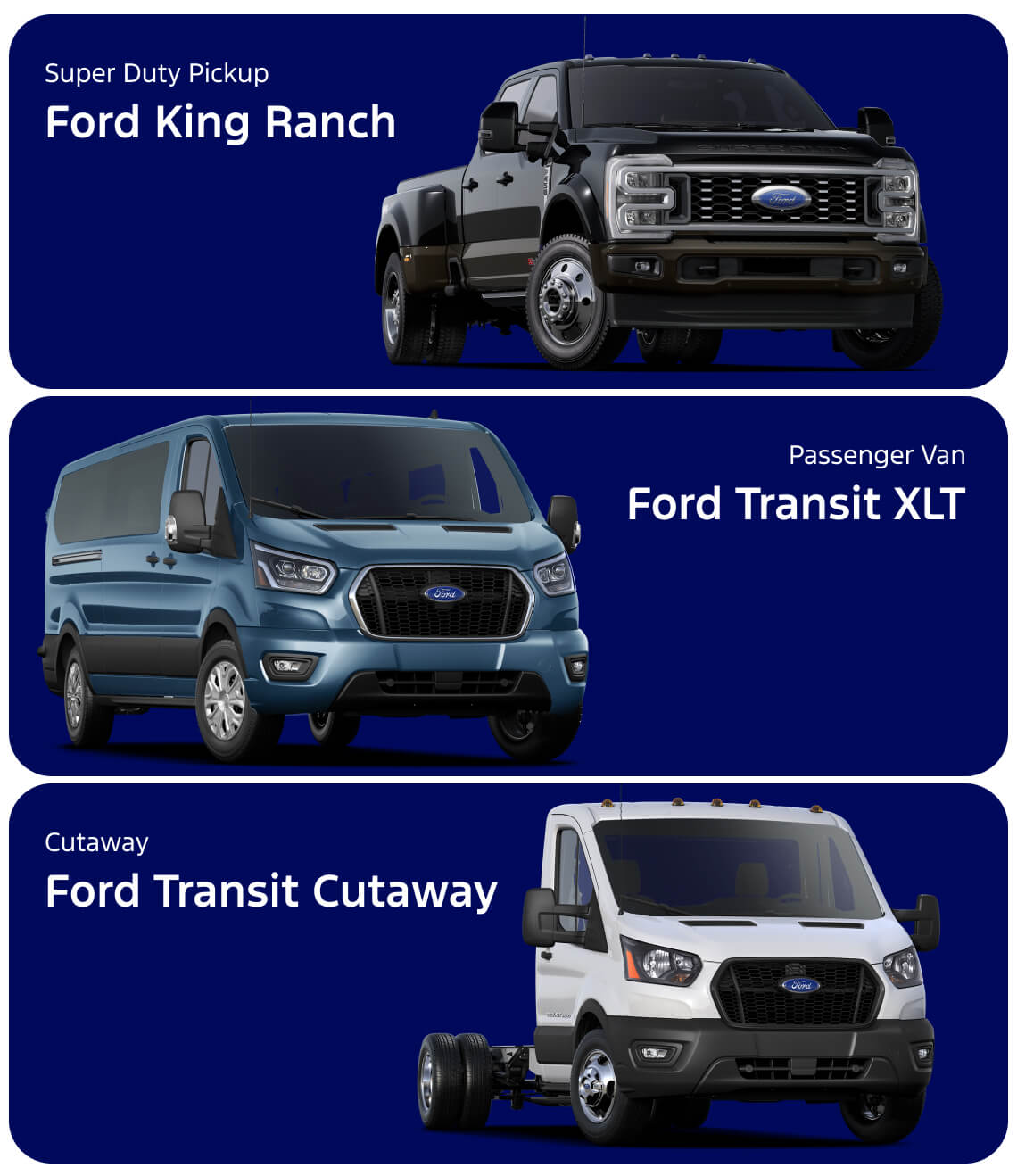
- Ford Transit cargo and passenger vans
- Ford F-150 pickups in select trims
- Any Ford Super Duty for sale, including the F-250, F-350, F-450, and F-550
Important Note: Certain 2025 Ford F-150 trucks are eligible for this tax deduction, provided they have the qualifying Section 179 GVWR rating above 6,000 pounds. You can verify all Section 179 truck weight requirements with our team here at Jones Ford Casa Grande.
Which Vehicles Do Not Qualify for a Section 179 Tax Deduction?
Like most aspects of our tax code, Section 179 is not a one-size-fits-all rule. Some vehicles won't qualify because they're not used for business more than 50% of the time. Section 179 applies to both new and used purchases, but some used models may not be eligible for these additional tax savings because they don't meet the Section 179 vehicle weight limit.
However, our Jones Ford Casa Grande inventory offers an array of 2025 makes and models that do qualify alongside multiple eligible used variants from past years.
Shop Section 179-Eligible Options at Jones Ford Casa Grande
Our dealership team couldn't be prouder to help business owners like you lease or finance their next fleet vehicles. Whether you're just launching your brand or want to expand its productivity, Jones Ford Casa Grande has the selection and tax support you need.
Browse online or visit us in person to explore all our pre-owned or new Ford vehicles, Ram models, Jeep options, and GMC models that could qualify for a Section 179 deduction and take your business to the next level. Let us help you secure your tax write-off for a vehicle over 6,000 pounds today!
Frequently Asked Questions About the Section 179 Tax Deduction
Do heavy-duty vehicles qualify for Section 179?
Heavy-duty vehicles qualify for the Section 179 deduction if they are placed into service by the end of the same year they're purchased and are used for business purposes 50% or more of the time. They must also hit the weight criteria of Section 179: over 6,000 pounds and no more than 14,000 pounds. Some commercial vehicles, like box trucks over 14,000 pounds, may also qualify.
How much can I deduct under Section 179 for an HD vehicle?
Your specific Section 179 deduction for a commercial-use heavy-duty vehicle will depend on multiple factors, including the total cost of the vehicle and your business's tax bracket. Qualifying heavy-duty models should also be eligible for bonus depreciation, which has risen from 60% to 100% in 2025 because of recent U.S. tax code legislation. Contact a tax professional for estimates or exact quotes.
What types of vehicles qualify?
Trucks or vans with the required Section 179 vehicle weight of 6,000 to 14,000 pounds that are used for business purposes at least 50% of the time should qualify for the deduction. Special commercial vehicles, like dump trucks, with a GVWR of over 14,000 pounds, are often also eligible. Seek out a trusted tax expert or our team at Jones Ford Casa Grande for more detailed guidance.